Burgos is a municipality and a Spanish city located in the central part of the north of the Iberian Peninsula. The city is the capital of the province of the same name integrated into the autonomous community of Castilla y León. In 2017 it had a registered population of 175,623 inhabitants spread over an area of 107,06 km², making it the 36th most populated municipality in Spain and the second in the autonomous community of Castilla y León. Its metropolitan area, formed by a high number of small municipalities, has about 20,000 inhabitants, which together with the central municipality form an urban area of about 200,000 inhabitants.
There is evidence of settlements from the Neolithic, Calcolithic, Bronze Age and the First Iron Age on the hill of the Castle and on the hill of San Miguel, reliefs from which the city and the valley of Arlanzón are dominated. However, it is considered that the city was founded as such by Count Diego Rodríguez Porcelos in the year 884. Towards the year 930 it became the capital of the county of Castilla, first dependent on the kingdom of León and then independent by the action of Count Fernán González. It was the capital of the kingdom of Castile, and intermittently of the Crown of Castile, from 1230 until the reign of the Catholic Monarchs. These dictated in the city in 1512 the Laws of Burgos, the first laws that the Hispanic Monarchy applied in America to organize its conquest, base of the current human rights. Later it was the capital of the old historical region of Castilla la Vieja, and it was also the first provisional capital of the autonomous community of Castilla y León.
It has an extensive peripheral green ring, two linear parks around the two main rivers that cross it and a large monumental complex, including the cathedral of Santa María, an exponent of Gothic architecture declared a World Heritage Site by UNESCO, extended to the historic centre in 2014, the monastery of Santa María la Real de Las Huelgas and the Charterhouse of Miraflores. In addition, the city is crossed by the Camino de Santiago, another World Heritage Site and is less than 15 km from the Atapuerca site, also under the protection of UNESCO since 2000. On 13 July 2010, the Museum of Human Evolution opened its doors in the city, which exhibits the most important fossils found at the site. It is currently among the ten most visited museums in the country.
2003
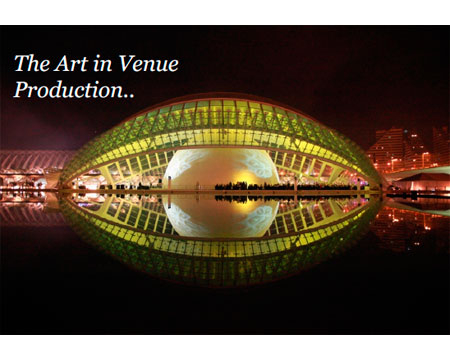
Destination management company – meetings, congresses, seminars, conferences, company events, product launches, presentations, incentives – in Madrid, Barcelona and…
2199
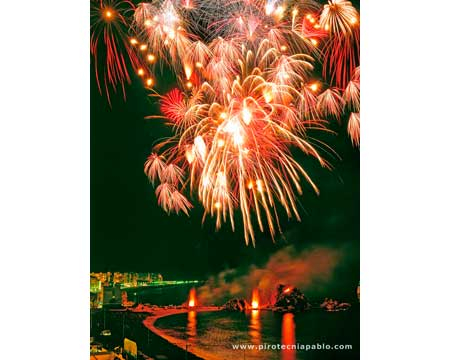
Fireworks, musical firework and multimedia displays, special effects in Asturias and the rest of Spain
2238
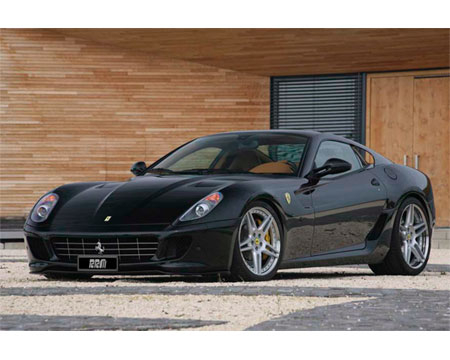
Luxury car rental, Ferrari rental, Mercedes rental throughout Spain
784
2533
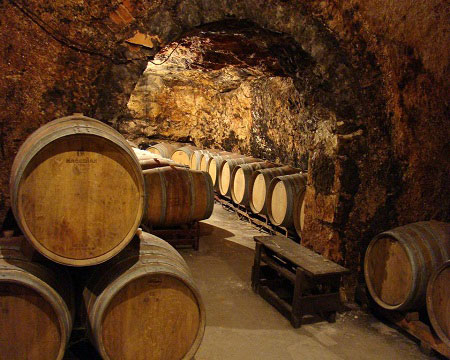
Wine tourism, corporate and private wine tours, Spain and Portugal
2144
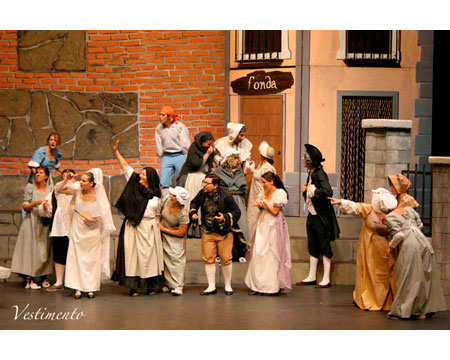
Costumes for shows, costumes for theatre productions, costume making for events, shows and film productions in Madrid and the rest of Spain
2033
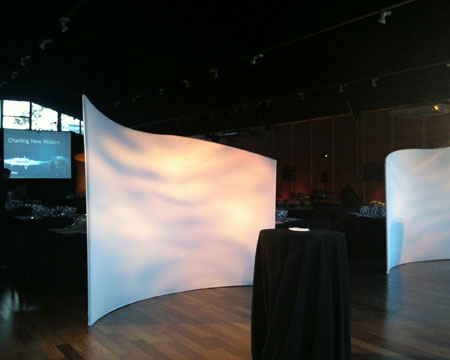
LED curtains, fireproof drapes, pipe and drape, screens and cue-lights in Barcelona and the rest of Spain
2316
2663
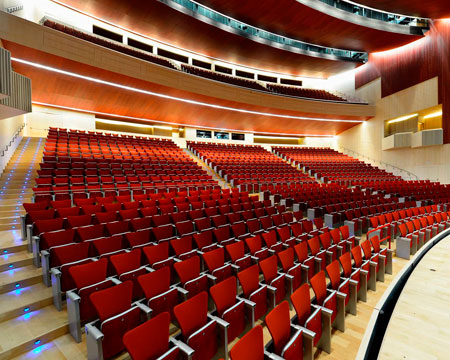
Burgos Convention Centre and Auditorium, Castile and Leon, Spain
2058
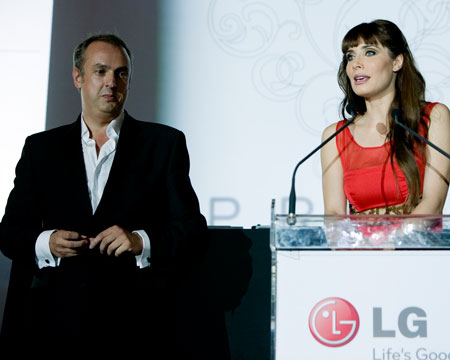
Photographic and video services for events, congresses, tradeshows, presentations and advertising in Valencia and the rest of Spain
2895
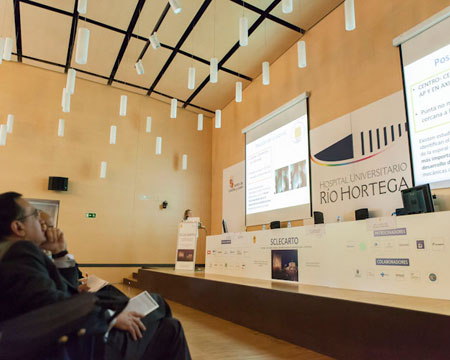
PCO specializing in health and cultural meetings in Valladolid and the rest of Spain
2486
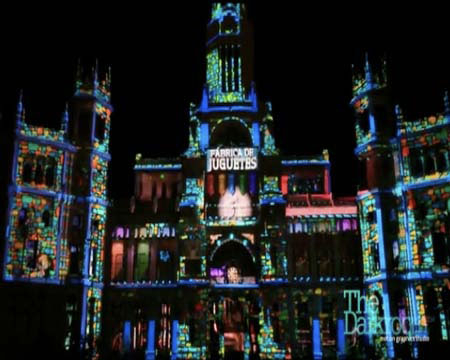
Full superdome, full HD multimedia projections, 3D mapping, animation, motion graphics, product launches, road shows in Madrid, Spain
3030
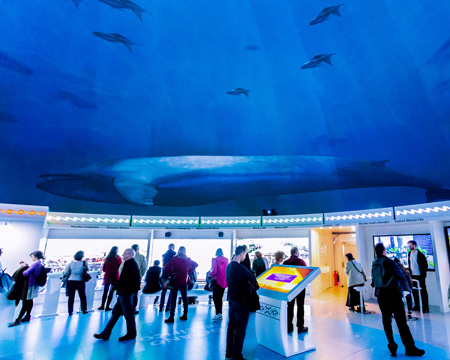
Geodesic domes, geodesic marquees, event domes, event venues en Spain